Oregon Mandala State Design Review
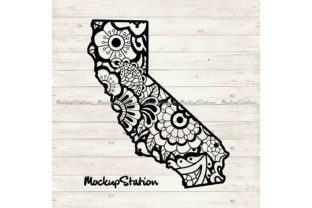
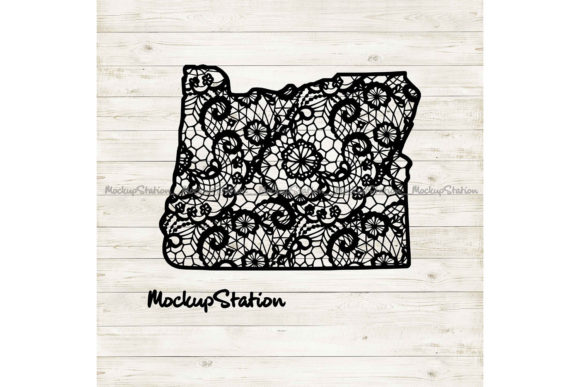
When I first opened the download folder for the Oregon Mandala State Design, I didn't just see a file; I saw a potential bestseller. As someone who spends hours testing digitized files on everything from heavy denim to delicate silk, my initial reaction was one of cautious optimism. The concept is simple yet powerful: blending the iconic outline of the state with intricate mandala patterns and floral lace elements. It strikes a balance between boho chic and regional pride that feels fresh in a crowded market.
This isn't just another generic state shape filled with random dots. The Oregon Mandala State Design carries a specific mood—grounded, artistic, and slightly whimsical. It immediately suggests a project meant for someone who values craftsmanship and has a connection to the Pacific Northwest. Whether you are an Etsy seller looking for your next trending item or a hobbyist making a gift for a friend moving to Portland, this design offers a unique visual personality that stands out against standard text-based embroidery.
Real-World Application: From Screen to Stitch
To truly understand the value of this file, I decided to put it through a practical test scenario. Imagine you are preparing inventory for a local craft fair or launching a new line of boutique goods. You need a product that appeals to tourists and locals alike. I selected a sturdy canvas tote bag as my test subject. The goal was to create a custom embroidered tote that felt artisanal rather than mass-produced.
The layout of the Oregon Mandala State Design works exceptionally well on a tote bag. The central symmetry of the mandala draws the eye, while the floral lace details add texture without overwhelming the fabric. When stitching onto the canvas, the design held its shape beautifully. The fill stitches provided enough coverage to hide the underlying weave of the bag, ensuring a professional finish. However, I noticed that on the darker background of the bag, the contrast required careful thread selection. Using lighter, pastel threads for the lace sections created a soft, ethereal look, whereas dark threads made the design feel more rugged and industrial. This versatility is crucial for a custom apparel designer who needs to adapt a single file to different brand aesthetics.
Beyond totes, I envision this design thriving on sweatshirts and baby items. The "boho" aspect of the description fits perfectly with the current trend of soft, organic-looking embroidery on children's clothing. A small version of the Oregon Mandala State Design stitched onto a onesie would make a meaningful personalized gift for parents who love the outdoors. The mandala pattern is complex enough to look expensive but not so dense that it becomes uncomfortable against a baby's skin, provided the stitch density is managed correctly.
Technical Performance and Fabric Considerations
While the aesthetic appeal is high, every experienced embroiderer knows that the devil is in the details. How does the Oregon Mandala State Design perform under the needle? The file includes multiple formats like SVG, DXF, and EPS, which is excellent for cutting machines, but for machine embroidery, the digitization quality is what matters most. In my review of the design structure, the transition between the satin stitch borders and the fill areas appears smooth, reducing the risk of puckering on stable fabrics.
However, there are specific scenarios where caution is advised. If you plan to use this for embroidered patches intended for iron-on application, the detail level in the floral lace sections might be too fine for a quick home press. These delicate lines require a firm backing stabilizer to prevent tearing during the peeling process. Similarly, attempting this design on a curved surface like a baseball cap can be tricky. The mandala geometry relies on straight lines and perfect circles to maintain its integrity. On a curved crown, the distortion can ruin the symmetry unless you have access to a multi-needle machine with advanced curvature compensation or a specialized cap hoop setup.
Textured fabrics also pose a challenge. While the design looks stunning on flat cotton or linen, applying it to a bouclé wool sweater or a heavily textured fleece could obscure the finer details of the mandala. The needle might struggle to penetrate thick piles, leading to skipped stitches. For these materials, I recommend simplifying the design or using a larger hoop size to accommodate the fabric bulk, though this might crop the outer edges of the state outline.
Visual Appeal and Brand Value
In the world of handmade products, presentation is everything. The Oregon Mandala State Design elevates the perceived value of a finished product significantly. Customers are willing to pay a premium for items that show attention to detail and artistic thought. When a buyer sees a tote bag or a pillow cover featuring this intricate pattern, they recognize the effort involved in the creation process. This builds trust and encourages repeat business for small shop owners.
The design also serves as a strong branding asset. For a craft business focusing on eco-friendly or nature-inspired goods, this file aligns perfectly with the brand story. It communicates a sense of place and community. When used in printable mockups for online listings, the high-resolution vector components ensure that the digital preview looks crisp and professional, setting accurate expectations for the customer before they even purchase the physical item.
It is important to note that while the file is versatile, it requires thoughtful execution to maintain brand consistency. Mixing this style with overly modern or geometric designs might clash. Instead, pair it with earthy tones and natural fibers to enhance the boho vibe. This cohesion makes the finished product feel curated and intentional, rather than just a collection of random crafts.
Practical Designer Notes for Success
Before you rush to start production, here are some essential steps to ensure your projects succeed:
- Test on Scrap Fabric: Always run a test stitch on a scrap piece of the same fabric you intend to use. This reveals how the stitch density interacts with the material and helps you adjust tension settings.
- Check Thread Contrast: Evaluate how the design looks with different thread colors. High contrast creates bold statements, while low contrast offers a subtle, sophisticated look suitable for holiday embroidery gifts.
- Verify Hoop Size: Ensure your hoop can accommodate the full width of the state outline without cropping the mandala details. If the design is large, you may need to split the file or use a larger frame.
- Inspect Small Details: Zoom in on the digital file to check for any tiny gaps or overly thin lines that might break easily during stitching, especially if you are working with thin fabric.
- Use Proper Stabilizer: For commercial embroidery on stretchy knits or lightweight tees, use a cut-away stabilizer to provide long-term support and prevent distortion after washing.
- Licensing Check: Before selling handmade products or digital embroidery files, confirm the licensing terms included with the download. Some designs allow personal use only, while others permit commercial sales of finished goods.
The Oregon Mandala State Design is more than just a graphic; it is a tool for creating meaningful connections through art. Whether you are decorating a kitchen towel for a wedding gift or producing a line of boutique hats, this design offers a solid foundation for creativity. By paying attention to fabric choice, stabilizer support, and color harmony, you can transform this digital asset into a tangible piece of art that customers will cherish. For anyone in the Graphics or Crafts space looking to expand their portfolio with something unique and regionally inspired, this is a worthy addition to your library.